Beyond Words: How OT Boosts Social Emotional Growth
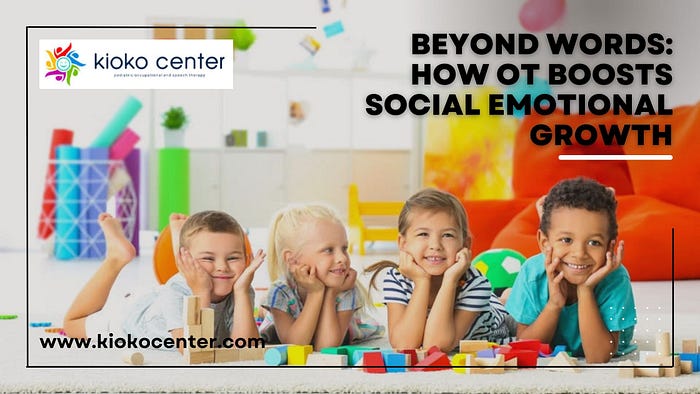
Some days, some kids just can’t handle it. They melt down when plans change. They stand alone at recess, not sure how to join in. What’s interesting is that Occupational Therapy Services can help with these exact problems.
It’s way more than just talking about feelings. Kids need real skills to manage emotions and get along with others.
Your Child’s Body and Feelings Are Connected

Here’s the thing — how your child moves affects how they feel inside. A kid who struggles with balance gets frustrated easily. That frustration doesn’t stay hidden. It shows up everywhere.
Some kids can’t process what they feel and hear around them. Their brain gets overwhelmed. Occupational Therapy Treatment helps fix these issues at the source.
Think about it this way. Your child covers their ears during circle time. They’re not being bad. All those sounds might actually hurt. An occupational therapist teaches them what to do when this happens.
Playing Games That Teach Social Skills

Therapy doesn’t look like sitting at a desk. Kids learn while they play. They figure out how to:
- Wait for their turn
- Share stuff with friends
- Remember and follow directions
- Show they’re upset without exploding
- Understand what other people’s faces are telling them
A child learns patience by building towers. They practice teamwork on jungle gyms. It happens naturally.
Speech Therapy and OT Make a Great Team
Lots of kids work with both types of therapists. A Speech Language Therapist helps with talking and understanding words. Occupational therapists work on the movement and sensory stuff that affects how kids interact.
Some kids know what they want to say, but their mouths won’t cooperate. Others get too overwhelmed in groups to even try talking. Both therapies help different pieces of the same puzzle.
Teaching Kids What to Do With Big Emotions
Emotional regulation is just a fancy way of saying “don’t lose it when things get tough.” Occupational therapists give kids tools that actually work:
- Breathing tricks that calm them down
- Breaks when everything feels like too much
- Ways to move their body to feel better
- Different strategies for different situations
Kids learn to notice when they’re getting worked up. Instead of having a meltdown, they ask for help or use their tools.
What You’ll See at Home and School
Parents notice changes during everyday stuff first. Your child rolls with it better when you change dinner plans. Transitions don’t turn into battles anymore.
Teachers see kids joining group activities who never used to. They participate more in class. They start caring about how their classmates feel.
Wrapping Up
Social-emotional growth takes time. It doesn’t happen overnight. Occupational therapy gives kids what they need to understand their bodies, handle their feelings, and make real connections with people. When kids feel good in their own skin, everything else gets easier.


Comments
Post a Comment